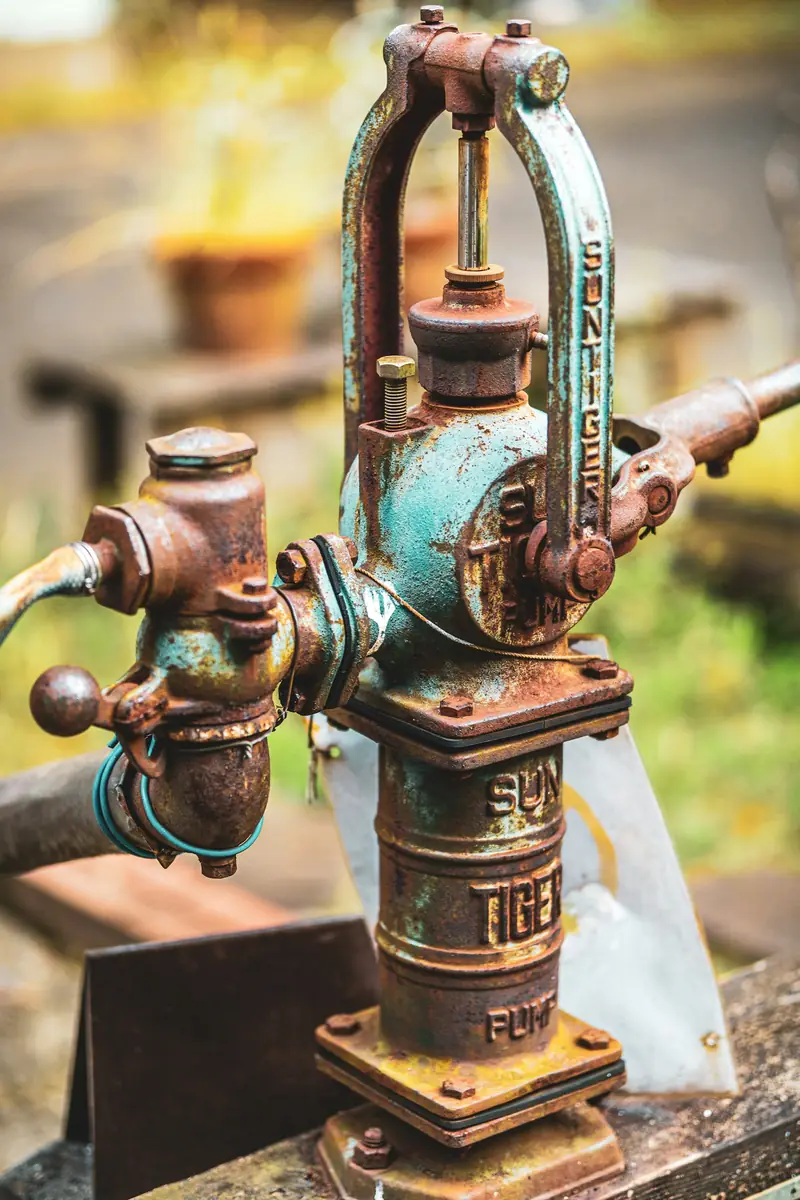
The pump is the most expensive part of a borehole system after drilling, and the most common one to get wrong. Too small and you won't get enough water; too big and the pump runs the borehole dry, sucks in sand and burns out early.
Two numbers that decide the pump
- Flow rate (litres per hour): how much water the pump delivers. It must be lower than what your borehole can safely yield, which is why the yield test matters so much.
- Head (metres): the total height the pump must lift the water, plus pipe friction, plus the pressure you need at the tank or sprinklers. A deeper water level or a tank on a stand needs more head.
The installer uses a pump curve to pick a model that delivers your target flow at your total head.
Why oversizing is a problem
- The pump draws the water level down faster than the borehole refills, so it runs dry and overheats.
- Faster flow pulls sand and silt into the pump, wearing it out and clouding the water.
- It uses more electricity than needed.
Dry-run protection (a level sensor or a pump controller) helps, but it's no substitute for the right size. See borehole pump problems.
Other choices
| Choice | Options |
|---|---|
| Power | Standard 220 V submersible, or a solar borehole pump for daytime pumping without grid power |
| Setup | Pump straight to sprinklers, or fill a tank and use a booster pump (better for low-yield holes) |
| Pump depth | Set below the lowest expected water level, but well above the bottom of the hole to avoid sand |
| Protection | Dry-run protection, surge protection and a proper control box |
What to ask your installer
- What flow and head did you size the pump for, and on what yield test result?
- At what depth will the pump hang, and what's the water level?
- What protection is included (dry-run, surge, overload)?
- What warranty covers the pump, and does it require a specific installation?
Compare quotes for borehole pump installation and repair in Benoni. See also what a borehole quote should include.